Best picks Skin Care Sunscreen
Best Sunscreens for Oily Skin: 5 Picks That Won't Feel Greasy
The short answer
Oily skin usually does best with an oil-free gel, fluid or light lotion labeled Broad Spectrum with SPF 30 or higher, applied generously and reapplied every two hours outdoors. Five US sunscreens are compared here from their brands' own label facts: a matte drugstore lotion, a niacinamide hybrid for acne- and rosacea-prone skin, an invisible gel, a matte mineral cream and a budget mineral lotion, plus plain guidance on applying enough and controlling shine without skipping protection.
Key takeaways
- Look for Broad Spectrum and SPF 30 or higher on the label, the minimum the American Academy of Dermatology recommends.
- Oil-free gels, fluids and light lotions usually sit better on oily skin than rich creams.
- If you break out easily, the AAD suggests sunscreens with zinc oxide and titanium dioxide and without fragrance or oils.
- Non-comedogenic is a brand's own formulation claim, not a guarantee, but it is still worth checking for.
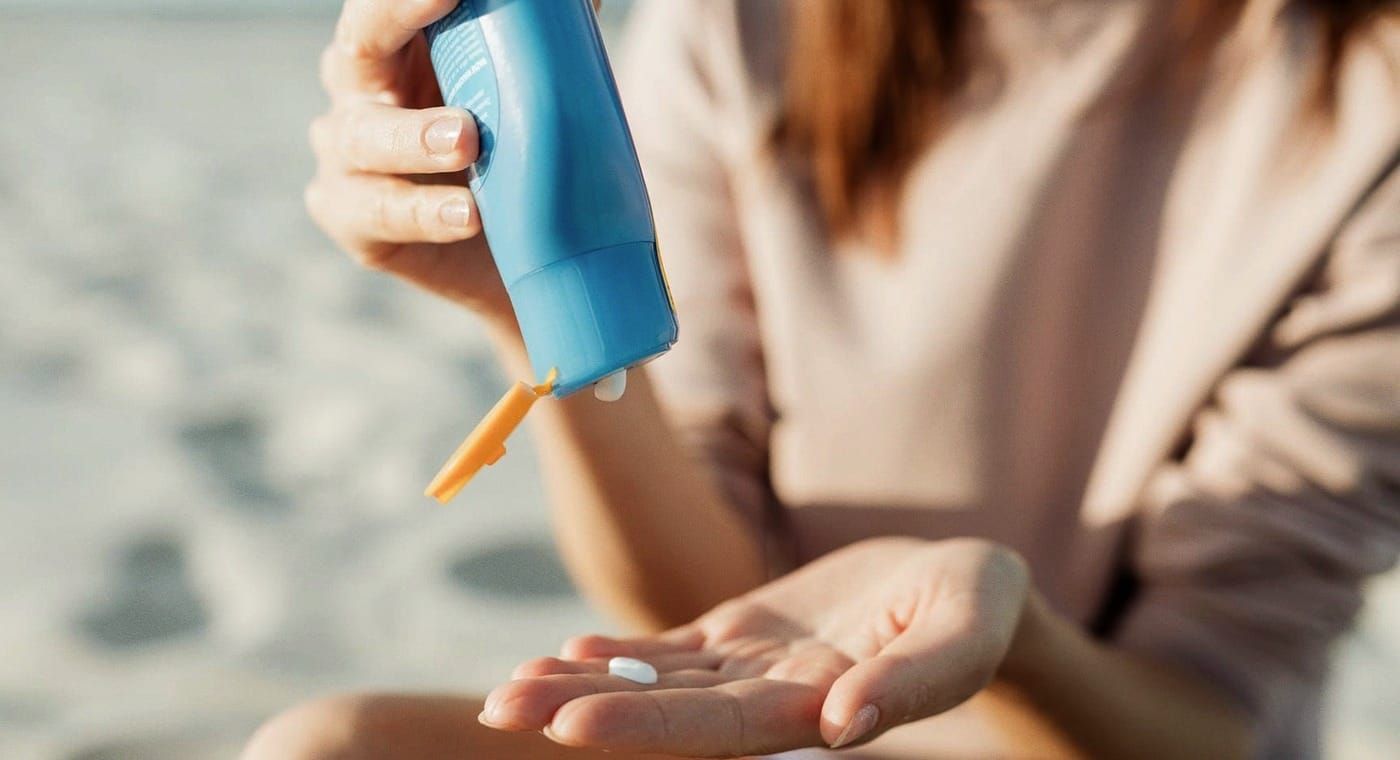
- Use at least a teaspoon of sunscreen for your face, and reapply every two hours when you are outdoors.
- Water resistance is labeled as 40 or 80 minutes; without it, reapply as soon as you sweat heavily or swim.
On this page
Oily skin makes sunscreen shopping harder than it should be: too rich, and your face is shining by mid-morning; too thin, and you wonder whether you put on enough. The five sunscreens below are all labeled Broad Spectrum with SPF 40 or higher and cover the textures that tend to work on oily skin, from a matte drugstore lotion to a clear gel and two mineral formulas, followed by what to check on any US label and how to reapply without adding shine.
| Product | Type | Key ingredients | May suit | Keep in mind | Where to buy |
|---|---|---|---|---|---|
| Neutrogena Clear Face Liquid Lotion Sunscreen Broad Spectrum SPF 50 | Chemical face sunscreen lotion | Avobenzone 3%, Homosalate 10%, Octisalate 5%, Octocrylene 10% | Oily and acne-prone skin | It uses chemical filters only; if those have stung your eyes or skin before, a mineral formula may suit you better | Check price: Neutrogena Clear Face Liquid Lotion Sunscreen Broad Spectrum SPF 50 (affiliate) (opens in a new tab) |
| EltaMD UV Clear Broad Spectrum SPF 46 | Hybrid face sunscreen (zinc oxide and octinoxate) | Zinc oxide 9.0%, Octinoxate 7.5%, Niacinamide 5%, Hyaluronic acid (sodium hyaluronate) | Oily, combination or normal skin that is acne-prone or rosacea-prone | It is not water resistant, so it is not the one for swimming or sweaty workouts | Check price: EltaMD UV Clear Broad Spectrum SPF 46 (affiliate) (opens in a new tab) |
| Supergoop! Unseen Sunscreen SPF 50 | Chemical face sunscreen gel | Avobenzone 3%, Homosalate 7%, Octisalate 5%, Octocrylene 9%, Bisabolol | Oily or combination skin that wears makeup | It is not described as oil-free; shea butter and other emollients are in the formula | Check price: Supergoop! Unseen Sunscreen SPF 50 (affiliate) (opens in a new tab) |
| Supergoop! Mineral Mattescreen SPF 40 | Mineral face sunscreen cream | Zinc oxide 17.42%, Titanium dioxide 1.33% | Oily or combination skin that wants a matte finish | It is not water resistant | Check price: Supergoop! Mineral Mattescreen SPF 40 (affiliate) (opens in a new tab) |
| CeraVe Hydrating Mineral Sunscreen SPF 50 Face Lotion | Mineral face sunscreen lotion | Titanium dioxide 9%, Zinc oxide 7%, Ceramides, Niacinamide, Hyaluronic acid | Sensitive skin that prefers mineral filters | CeraVe says a white cast can sometimes remain, and a cast is easier to see on deeper skin tones | Check price: CeraVe Hydrating Mineral Sunscreen SPF 50 Face Lotion (affiliate) (opens in a new tab) |
Scroll sideways to see all columns.
How we chose these sunscreens
We did not test these sunscreens. We built this shortlist from each brand’s own US product page and label facts, then checked every option against what matters most for oily skin:
- Texture: gel, fluid, lotion or lightweight cream formulas that are less likely to sit on the skin as a visible film.
- Finish: a matte, dry-touch, invisible or non-greasy finish rather than a dewy or glowy one.
- Oil and fragrance: whether the brand describes the formula as oil-free, non-comedogenic or made for oily or acne-prone skin, and whether fragrance is listed, since the American Academy of Dermatology suggests avoiding sunscreens with fragrance or oils if you break out.
- Protection: Broad Spectrum and SPF 30 or higher on the US label, the minimum the American Academy of Dermatology recommends.
- Range: at least one drugstore and one premium option, and a choice of chemical, mineral and hybrid filters.
Read more about how we research products.
Sunscreen textures that suit oily skin
Texture matters more than brand for oily skin, so the picks are grouped by the feel and finish they are designed for. If you are not sure where to start, the Sunscreen Finder matches a texture and finish to your skin, your day and your climate, from humid Southern summers to dry, high-altitude sun.
Matte lotions
For a matte finish on a drugstore budget
Neutrogena Clear Face Liquid Lotion Sunscreen Broad Spectrum SPF 50
Neutrogena says it designed Clear Face specifically for oily and acne-prone skin, and describes the formula as oil-free and fragrance-free with a weightless, matte finish. It uses four chemical filters (avobenzone, homosalate, octisalate and octocrylene) and is labeled water resistant for 80 minutes, which helps on hot, sweaty days. Skip it if chemical filters have irritated your skin or eyes before.
- Format
- Liquid lotion
- Size
- 3 fl oz
- Key ingredients
- Avobenzone 3%, Homosalate 10%, Octisalate 5%, Octocrylene 10%
- Standout feature
- Oil-free, fragrance-free face lotion that Neutrogena says dries to a matte finish and designs for oily, acne-prone skin
What the brand states
- Format
- Liquid lotion with a water-light texture (brand description)
- Finish
- Weightless, breathable matte finish (brand claim)
- SPF
- SPF 50
- Broad Spectrum
- Labeled Broad Spectrum
- Water resistance
- Water resistant (80 minutes)
- Fragrance
- Fragrance-free (brand claim)
- Skin type
- Oily and acne-prone skin (brand positioning)
- Active ingredients
- Avobenzone 3%, homosalate 10%, octisalate 5%, octocrylene 10%
- Other claims
- Oil-free and oxybenzone-free (brand claim)
Source: Neutrogena's page (neutrogena.com) , read .
Who it may suit
- Oily and acne-prone skin
- A matte finish on a drugstore budget
- Hot, sweaty or outdoor days (water resistant for 80 minutes)
Keep in mind
- It uses chemical filters only; if those have stung your eyes or skin before, a mineral formula may suit you better
- A thin lotion is easy to under-apply; use at least a teaspoon for the face
May want something else: Anyone who wants a mineral-only (zinc oxide or titanium dioxide) formula.
Based on brand-published product information, last checked November 28, 2026.
Hybrid formulas for acne- and rosacea-prone skin
For acne-prone, rosacea-prone or sensitive skin
EltaMD UV Clear Broad Spectrum SPF 46
EltaMD pairs 9% zinc oxide with 7.5% octinoxate, adds 5% niacinamide, and describes UV Clear as oil-free, fragrance-free and non-comedogenic. The brand positions it for combination, oily and normal skin that is prone to breakouts or rosacea, and says the untinted version leaves no white cast. It is not water resistant and costs more than drugstore options; tinted versions are also sold.
- Key ingredients
- Zinc oxide 9.0%, Octinoxate 7.5%, Niacinamide 5%, Hyaluronic acid (sodium hyaluronate)
- Standout feature
- Oil-free, fragrance-free face sunscreen with 5% niacinamide, which EltaMD designs for sensitive, rosacea-prone and acne-prone skin
What the brand states
- Finish
- No white cast; wears alone or under makeup (brand claim, untinted version)
- SPF
- SPF 46
- Broad Spectrum
- Labeled Broad Spectrum
- Fragrance
- Fragrance-free (brand claim)
- Skin type
- Combination, oily and normal skin; designed for sensitive, rosacea-prone and acne-prone skin (brand)
- Active ingredients
- Zinc oxide 9.0%, octinoxate 7.5%
- Key ingredient
- Niacinamide 5%
- Other claims
- Oil-free, non-comedogenic and paraben-free (brand claim)
- Swimming and sweating
- Not water resistant; the brand says to use a water-resistant sunscreen if swimming or sweating
- Versions and sizes
- Untinted, Tinted and Deep Tint; 1.7 oz and 3.7 oz
Source: EltaMD's page (eltamd.com) , read .
Who it may suit
- Oily, combination or normal skin that is acne-prone or rosacea-prone
- Sensitive skin that reacts to fragrance
- Everyday wear under makeup
Keep in mind
- It is not water resistant, so it is not the one for swimming or sweaty workouts
- It costs more than drugstore sunscreens
- It is a hybrid, not a 100% mineral formula; octinoxate is also an active ingredient
May want something else: Swimming or heavy sweating; Anyone who wants a mineral-only formula.
Based on brand-published product information, last checked November 28, 2026.
Gel sunscreens
For an invisible gel under makeup
Supergoop! Unseen Sunscreen SPF 50
Unseen is a clear, weightless gel that Supergoop! says leaves no white cast on any skin tone and doubles as a makeup primer, which is why it appeals to oily skin that wears foundation. The brand calls it scentless and recommends it for oily and acne-prone skin, but it is not described as oil-free: shea butter and other emollients are in the formula. If you break out easily, start with one of the oil-free picks instead.
- Format
- Clear gel
- Key ingredients
- Avobenzone 3%, Homosalate 7%, Octisalate 5%, Octocrylene 9%, Bisabolol
- Standout feature
- Clear, weightless gel that Supergoop! says leaves no white cast on any skin tone and doubles as a makeup primer
What the brand states
- Format
- Weightless clear gel (brand description)
- Finish
- Invisible, natural finish; no white cast on all skin tones (brand claim)
- SPF
- SPF 50
- Broad Spectrum
- Labeled Broad Spectrum
- Scent
- Described as scentless; no fragrance among the listed inactive ingredients
- Skin type
- Recommended for normal, combination, dry, oily, sensitive or acne-prone skin (brand)
- Active ingredients
- Avobenzone 3%, homosalate 7%, octisalate 5%, octocrylene 9%
- Other claims
- Non-acnegenic, non-greasy; doubles as a makeup primer (brand claim)
- Label directions
- Reapply after 40 minutes of swimming or sweating, immediately after towel drying, and at least every 2 hours
- Sizes
- 0.68, 1.7 and 2.5 fl oz
Source: Supergoop!'s page (supergoop.com) , read .
Who it may suit
- Oily or combination skin that wears makeup
- Anyone who wants no white cast at all
- People who dislike the feel of lotion sunscreens
Keep in mind
- It is not described as oil-free; shea butter and other emollients are in the formula
- It costs more than drugstore sunscreens
- The label directions say to reapply after 40 minutes of swimming or sweating
May want something else: Very breakout-prone skin that does best with oil-free formulas; Anyone who wants a mineral-only formula.
Based on brand-published product information, last checked November 28, 2026.
Mineral sunscreens
Mineral sunscreens use zinc oxide, titanium dioxide or both as their active ingredients. For acne-prone skin, the American Academy of Dermatology suggests sunscreens with zinc oxide and titanium dioxide and without fragrance or oils, and both picks below use those two filters in formulas their brands describe as oil-free, with no fragrance listed.
For a matte mineral finish, tinted or untinted
Supergoop! Mineral Mattescreen SPF 40
Supergoop! describes Mattescreen as a whipped, airy cream with a matte finish and recommends it for normal, combination, oily or sensitive skin. Its filters are zinc oxide and titanium dioxide, and it comes in three tinted shades designed to minimize white cast, plus an untinted version. It is not water resistant and is one of the pricier picks here.
- Format
- Whipped cream
- Key ingredients
- Zinc oxide 17.42%, Titanium dioxide 1.33%
- Standout feature
- 100% mineral face sunscreen with a matte finish, recommended by the brand for normal, combination, oily or sensitive skin
What the brand states
- Format
- Whipped, airy cream (brand description)
- Finish
- Matte finish (brand claim); tinted formula designed to minimize white cast
- SPF
- SPF 40
- Broad Spectrum
- Labeled Broad Spectrum (pack shown on the brand page)
- Fragrance
- No fragrance in the listed ingredients; the brand says its formulas are free of synthetic fragrance
- Skin type
- Recommended for normal, combination, oily or sensitive skin (brand)
- Active ingredients
- Zinc oxide 17.42%, titanium dioxide 1.33%
- Other claims
- Oil-free, non-comedogenic, free of pore-clogging oils (brand claim)
- Swimming and sweating
- Not water resistant; the brand says to use a water-resistant sunscreen if swimming or sweating
- Shades and sizes
- Sunrise, Golden Hour and Sunset tints, plus Untinted; 1.5 fl oz (Sunrise also in 0.68 fl oz)
Source: Supergoop!'s page (supergoop.com) , read .
Who it may suit
- Oily or combination skin that wants a matte finish
- Sensitive skin that prefers mineral filters
- Wearing alone or under makeup
Keep in mind
- It is not water resistant
- A tinted shade has to suit your skin tone; an untinted version is also sold
- It costs more than drugstore sunscreens
May want something else: Swimming or heavy sweating; Dry skin that feels tight under a matte finish.
Based on brand-published product information, last checked November 28, 2026.
For a fragrance-free mineral lotion on a budget
CeraVe Hydrating Mineral Sunscreen SPF 50 Face Lotion
CeraVe’s mineral face lotion uses titanium dioxide and zinc oxide only, adds ceramides and niacinamide, and is described by the brand as oil-free, non-comedogenic and fragrance-free. CeraVe is upfront that a white cast can sometimes remain, which is easier to see on deeper skin tones, and it is a hydrating formula rather than a matte one. It is not water resistant.
- Format
- Lotion
- Key ingredients
- Titanium dioxide 9%, Zinc oxide 7%, Ceramides, Niacinamide, Hyaluronic acid
- Standout feature
- 100% mineral, fragrance-free face lotion with ceramides and niacinamide, made for all skin types including sensitive skin
What the brand states
- Format
- Face lotion
- SPF
- SPF 50
- Broad Spectrum
- Labeled Broad Spectrum
- Fragrance
- Fragrance-free (brand claim)
- Skin type
- All skin types, including sensitive skin (brand)
- Active ingredients
- Titanium dioxide 9%, zinc oxide 7% (100% mineral filters)
- White cast
- The brand notes a white cast can sometimes remain after applying a mineral sunscreen like this one
- Other claims
- Oil-free, non-comedogenic, allergy tested, paraben-free (brand claim)
- Swimming and sweating
- Not water resistant; the brand says to use a water-resistant sunscreen if swimming or sweating
Source: CeraVe's page (cerave.com) , read .
Who it may suit
- Sensitive skin that prefers mineral filters
- Oily skin that wants an oil-free, non-comedogenic mineral option on a budget
- Fragrance-free routines
Keep in mind
- CeraVe says a white cast can sometimes remain, and a cast is easier to see on deeper skin tones
- It is not water resistant
- It is a hydrating formula, so very oily skin may prefer a matte finish
May want something else: Swimming or heavy sweating; Anyone who wants no visible cast at all on deep skin tones.
Based on brand-published product information, last checked November 28, 2026.
Reapplication formats for over makeup
Reapplying a lotion over a full face of makeup rarely looks good, which is why sunscreen sticks, fine-mist sprays and SPF setting powders exist. These formats do not replace a proper morning layer, but they make a midday top-up realistic, which matters more for daily protection than the exact product you started with. Check that any touch-up product is labeled Broad Spectrum too.
Browse SPF touch-up powders on Amazon (affiliate) (opens in a new tab)What to check before you buy any sunscreen for oily skin
Minimum protection: Broad Spectrum and SPF 30
On a US label, look for the words Broad Spectrum next to an SPF of 30 or higher. SPF describes protection from the UVB rays that burn, Broad Spectrum means the product also passed the FDA’s test for UVA, and SPF 30 is the minimum the American Academy of Dermatology recommends. Our guide to choosing a sunscreen explains how to read the whole label, including the Drug Facts box.
Oil, fragrance and filter type
Oily skin does not need one particular filter type, but if you break out easily the American Academy of Dermatology is specific: look for zinc oxide and titanium dioxide, and avoid sunscreens that contain fragrance or oils. Every US sunscreen lists its filters under Active Ingredients in the Drug Facts box, and fragrance appears among the inactive ingredients when a formula uses it.
Non-comedogenic positioning
“Non-comedogenic” is a formulation choice a brand makes, not a government-tested guarantee, so treat it as a helpful signal rather than a promise. It generally means the formula avoids common pore-clogging oils, which lowers the odds of new breakouts, though individual skin can still react to any product.
How much to apply, and how often to reapply
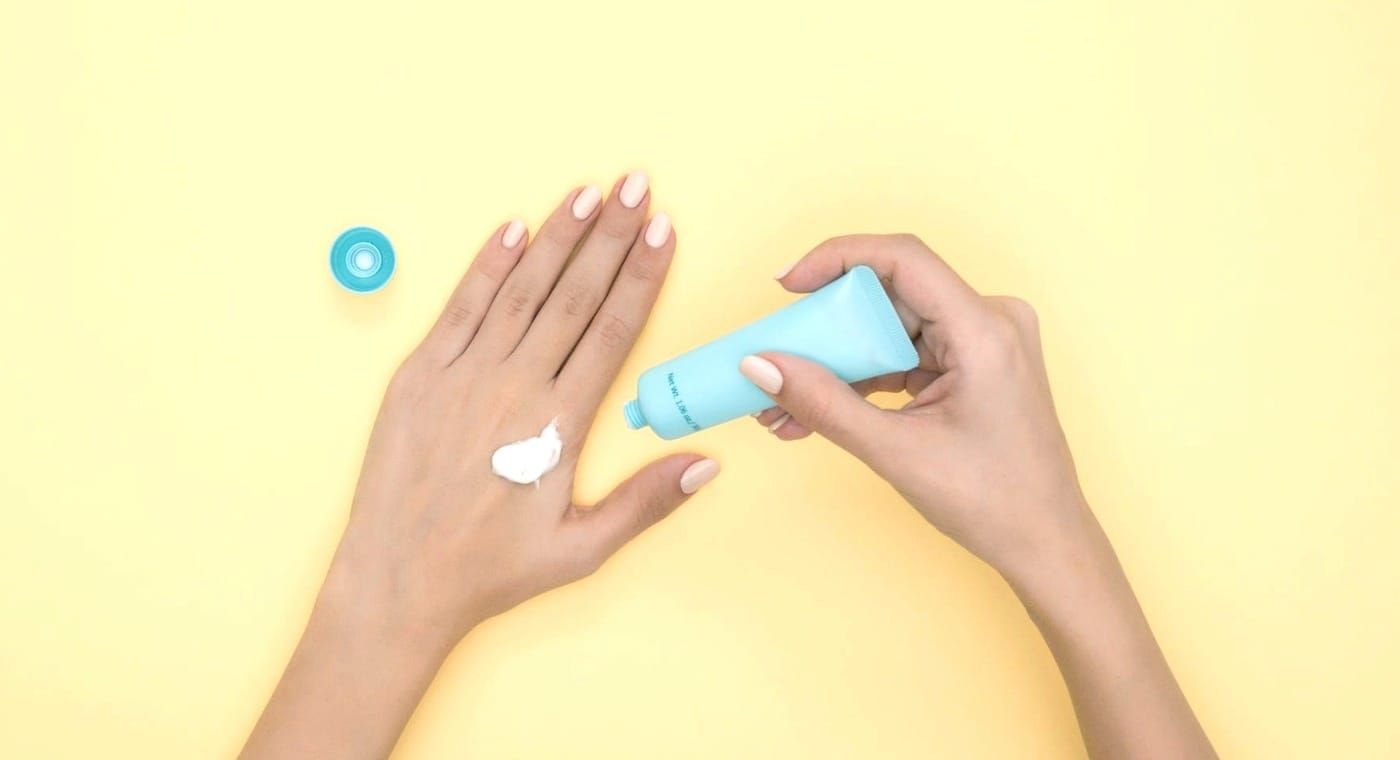
The American Academy of Dermatology suggests at least 1 teaspoon of sunscreen for the face, about enough to cover the length of your index and middle fingers, and about 1 ounce, roughly a shot glass, for all the skin your clothes do not cover. Apply it about 15 minutes before you go outside, then reapply every two hours and right after swimming or sweating. A water-resistant sunscreen tells you on the label whether it lasts 40 or 80 minutes in water or sweat.
For oily skin, blot shine before you reapply rather than piling more product over existing oil. The AAD suggests pressing blotting paper against your face for a few seconds instead of rubbing, which would spread the oil around.
Managing shine through the day
A few habits make sunscreen easier to live with on oily skin:
- Let it settle before makeup. Give sunscreen a few minutes to set so it does not pill under primer or foundation.
- Keep sunscreen separate from your moisturizer. Relying on a moisturizer’s built-in SPF alone usually means you apply less sunscreen than the label assumes.
- Use blotting paper, not more cleanser, for midday shine. Washing your face again removes sunscreen along with oil.
- Finish with oil-free makeup. The AAD notes that products labeled matte can help reduce shine; they work on top of sunscreen, not instead of it.
Common mistakes to avoid
- Applying too little. A light, sheer swipe leaves you with a fraction of the SPF printed on the bottle.
- Skipping reapplication because skin still looks matte. Sunscreen wears off over time regardless of how your skin looks.
- Relying only on makeup or moisturizer SPF. Neither is usually applied thickly enough to match its labeled protection.
- Choosing texture over protection. A sunscreen that feels weightless but is not labeled Broad Spectrum is not doing its main job against UVA.
- Wearing a sunscreen that is not water resistant to swim or work out. Three of the five picks here are not; switch to one that is, and reapply on time.
- Forgetting the ears, hairline and neck, all common places for sun damage that a face-only routine misses.
When to see a dermatologist
See a dermatologist if a sunscreen consistently causes stinging, burning or new breakouts, if you notice a mole or spot that is changing, or if persistent oiliness and acne do not improve despite a reasonable routine. A buying guide can help you pick a texture; it cannot diagnose your skin.
Once your sunscreen is sorted, pair it with a moisturizer texture that suits oily skin; our comparison of gel vs cream moisturizers can help, and our list of face washes for oily skin covers the step before. For more on filters, see chemical vs mineral sunscreen, or browse all our sunscreen guides.
Frequently asked questions
- Is gel sunscreen always better than lotion sunscreen for oily skin?
- Not always. Gels and fluids tend to leave less residue than creams, which is why many people with oily skin prefer them, but a well-made matte lotion can feel just as light. Judge a sunscreen by how your face looks and feels an hour after applying it, not by the word on the front of the bottle.
- Do I still need sunscreen if my moisturizer or foundation has SPF?
- Probably yes. The American Academy of Dermatology notes that many people apply only 20 to 50 percent of the amount needed to get the SPF on the label, and few people wear foundation or moisturizer that thickly. SPF in these products still needs reapplying every two hours outdoors, so treat it as a bonus on top of a dedicated sunscreen.
- How do I reapply sunscreen without ruining my makeup?
- Blot excess oil first, then press on a sunscreen stick, mist a spray sunscreen, or dust on an SPF setting powder labeled Broad Spectrum. Focus on the areas that get the most sun, such as the nose, forehead and cheeks. These top-ups help most when they go over a generous morning layer.
- Will sunscreen make my oily or acne-prone skin worse?
- Sunscreen itself does not cause acne, but some formulas can contribute to breakouts. For acne-prone skin, the American Academy of Dermatology suggests sunscreens that contain zinc oxide and titanium dioxide and avoiding those with fragrance or oils. If breakouts continue, a dermatologist can work out whether the sunscreen, another product or something else is the cause.
- Do I need a water-resistant sunscreen for oily skin?
- Only for days when you will sweat heavily or swim. Neutrogena Clear Face is labeled water resistant for 80 minutes, and the Supergoop! Unseen label directions mention 40 minutes of swimming or sweating; the other three picks here are not water resistant. Whichever you use, reapply when the labeled time is up and as soon as you towel off.
Sources
- How to select a sunscreen , American Academy of Dermatology
- How to apply sunscreen , American Academy of Dermatology
- How to control oily skin , American Academy of Dermatology
- Sunscreen FAQs , American Academy of Dermatology
- Sunscreen: How to Help Protect Your Skin from the Sun , U.S. Food and Drug Administration
- Sunscreens: A Complete Overview , DermNet
Corrections
-
We said Neutrogena describes Ultra Sheer Dry-Touch as non-comedogenic, and that La Roche-Posay describes Anthelios UVMune 400 Invisible Fluid as water- and sweat-resistant. Neither claim is on the brands’ India pages, so we removed them. Neutrogena India does describe Ultra Sheer as water- and sweat-resistant.
How we fix mistakes: corrections policy.