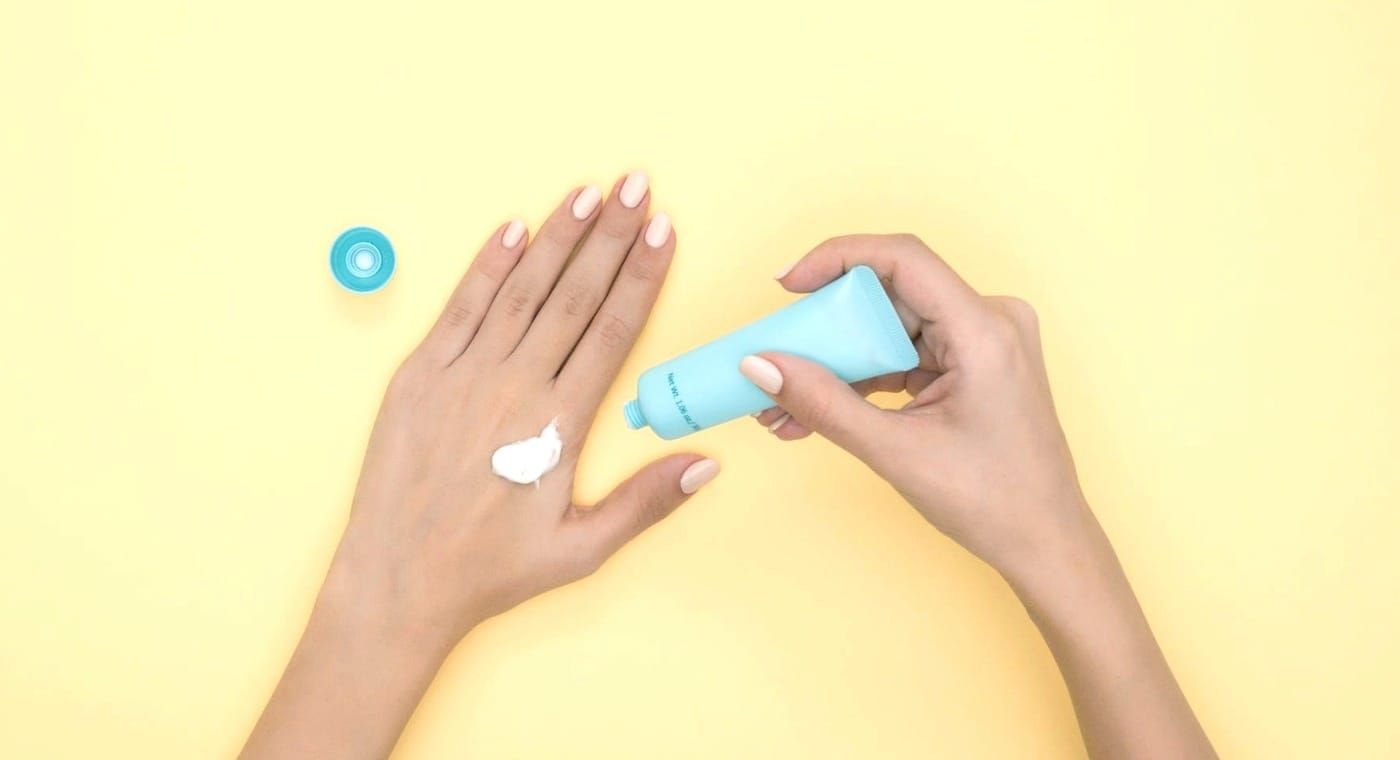
Best picks Skin Care Face Wash
Best Face Washes for Oily Skin: 5 Options Worth Considering
The short answer
For oily skin, choose a gel or foaming face wash that removes excess oil without leaving your face tight. A gentle foaming cleanser is enough if shine is your only concern; a salicylic acid wash makes more sense if you also get blackheads or clogged pores, and a benzoyl peroxide wash if you get red, inflamed pimples. Washing twice a day, and after sweating, is usually enough.
Key takeaways
- Gel and foaming textures usually feel best on oily skin.
- Salicylic acid helps with clogged pores and blackheads; benzoyl peroxide targets inflamed pimples.
- Tight, squeaky skin after washing means the cleanser is too harsh for you.
- Benzoyl peroxide bleaches towels and pillowcases, so rinse it off thoroughly.
- Follow every wash with a light moisturizer, and use sunscreen in the day.

On this page
Oily skin tempts you to scrub harder and wash more often, but the face wash that works best is usually the one that removes oil and leaves your skin comfortable. The five cleansers below cover the most common situations: oily skin that is easily irritated, combination skin that reacts to fragrance, blackheads and clogged pores, red, inflamed breakouts, and rough, bumpy texture.
| Product | Type | Key ingredients | May suit | Keep in mind | Where to buy |
|---|---|---|---|---|---|
| CeraVe Foaming Facial Cleanser | Foaming gel cleanser | Ceramides, Niacinamide, Hyaluronic acid | Normal to oily skin | Foaming cleansers can feel drying on dry or very sensitive skin | Check price: CeraVe Foaming Facial Cleanser (affiliate) (opens in a new tab) |
| Cetaphil Daily Facial Cleanser Fragrance Free | Gel-to-foam facial cleanser | Niacinamide, Panthenol, Glycerin | Combination to oily skin that is also sensitive | It has no exfoliating acid or acne medication | Check price: Cetaphil Daily Facial Cleanser Fragrance Free (affiliate) (opens in a new tab) |
| Neutrogena Oil-Free Acne Wash | Salicylic acid acne face wash | Salicylic acid (2%) | Oily, acne-prone skin with blackheads or clogged pores | Salicylic acid can dry or irritate skin; the label warns that irritation is more likely if you use another acne medication at the same time | Check price: Neutrogena Oil-Free Acne Wash (affiliate) (opens in a new tab) |
| PanOxyl Acne Foaming Wash 10% Benzoyl Peroxide | Benzoyl peroxide acne wash | Benzoyl peroxide (10%) | Red, inflamed breakouts on oily, acne-prone skin | Benzoyl peroxide bleaches towels, pillowcases and clothing, so rinse thoroughly | Check price: PanOxyl Acne Foaming Wash 10% Benzoyl Peroxide (affiliate) (opens in a new tab) |
| CeraVe Renewing SA Cleanser | Exfoliating salicylic acid cleanser | Salicylic acid, Ceramides, Niacinamide, Hyaluronic acid | Rough, bumpy or dull-feeling skin | CeraVe lists salicylic acid as a regular ingredient, not as an acne medication, and does not state its percentage | Check price: CeraVe Renewing SA Cleanser (affiliate) (opens in a new tab) |
Scroll sideways to see all columns.
How we chose these face washes
We did not test these cleansers ourselves. We built this shortlist from each brand’s published US product information and ingredient lists, then checked every option against the things that matter most for oily skin:
- Texture: gel or foaming formulas, which most people with oily skin find more comfortable than creams.
- Purpose: what the brand positions the cleanser for, and whether that matches a real need, such as oil control, clogged pores, breakouts or sensitivity.
- Ingredients: whether the formula includes anything that helps with oily or acne-prone skin, such as salicylic acid or benzoyl peroxide, or anything that commonly irritates, such as added fragrance.
- Range: a spread of approaches, so there is a sensible starting point whether your skin is sensitive, congested, breakout-prone or simply shiny.
- Staying power: long-running products from established brands that are widely sold in the US, rather than short-lived launches.
Read more about how we research products.
The face washes worth considering
For oily skin that is also easily irritated
CeraVe Foaming Facial Cleanser
This is a sensible starting point if your skin gets oily but reacts badly to harsh washes. It foams enough to feel like it is lifting oil, while ceramides and niacinamide are there to support the skin barrier rather than strip it. CeraVe’s US page makes no fragrance-free claim for it, but no fragrance appears in the ingredient list there.
- Format
- Gel
- Key ingredients
- Ceramides, Niacinamide, Hyaluronic acid
- Standout feature
- Gel cleanser that foams, which CeraVe makes for normal to oily skin
What the brand states
- Made for
- Normal to oily skin
- Texture
- Gel-based foaming cleanser (foaming gel in the brand's texture chart)
- Key ingredients
- Three essential ceramides, hyaluronic acid, niacinamide
- Brand claims
- Removes dirt, makeup and excess oil; leaves skin feeling refreshed without a dry or tight feel
- Fragrance
- No fragrance claim on the page; no fragrance in the ingredient list shown
Source: CeraVe's page (cerave.com) , read .
Who it may suit
- Normal to oily skin
- Combination skin that gets shiny during the day
- People who like a light foam
Keep in mind
- Foaming cleansers can feel drying on dry or very sensitive skin
- It contains no exfoliating acid or acne medication, so it is not a targeted acne treatment
May want something else: Dry skin that feels tight after foaming washes.
Based on brand-published product information.
For combination skin that reacts to fragrance
Cetaphil Daily Facial Cleanser Fragrance Free
A mild gel that turns to foam, made for combination to oily skin that is also sensitive. Cetaphil labels this version fragrance-free and paraben-free. Check the name before you buy: the standard Daily Facial Cleanser lists a masking fragrance in its ingredients, so make sure the listing says Fragrance Free. It has no acne-fighting ingredient, so pair it with a separate treatment if you get breakouts.
- Format
- Gel
- Key ingredients
- Niacinamide, Panthenol, Glycerin
- Standout feature
- Fragrance-free gel-to-foam cleanser that Cetaphil makes for combination to oily, sensitive skin
What the brand states
- Made for
- Combination to oily, sensitive skin
- Format
- Gel to foam
- Key ingredients
- Niacinamide (vitamin B3), panthenol (vitamin B5), glycerin
- Features
- Fragrance free, paraben free, hypoallergenic, won't clog pores
- Directions
- Apply a small amount onto wet skin, rub gently and rinse
Source: Cetaphil's page (cetaphil.com) , read .
Who it may suit
- Combination to oily skin that is also sensitive
- People who avoid fragrance
- A mild everyday wash, morning and night
Keep in mind
- It has no exfoliating acid or acne medication
- Cetaphil's standard Daily Facial Cleanser lists a masking fragrance, so check that the listing says Fragrance Free
May want something else: Dry skin that feels tight after foaming washes.
Based on brand-published product information.
For blackheads and clogged pores
Neutrogena Oil-Free Acne Wash
Salicylic acid helps keep the lining of pores from clogging and breaks down blackheads and whiteheads, which a plain cleanser is not designed to do. This wash contains 2% and is sold as an over-the-counter acne treatment, so the strength is printed on its Drug Facts label. In a rinse-off product it only stays on the skin briefly, so expect a gradual, modest effect. It contains fragrance and dyes, and its label warns that irritation is more likely if you use another acne medication at the same time.
- Key ingredients
- Salicylic acid (2%)
- Standout feature
- Daily face wash with 2% salicylic acid, labeled as an over-the-counter acne treatment
What the brand states
- Active ingredient
- Salicylic acid 2% (purpose: acne treatment)
- Uses
- For the treatment of acne
- Fragrance
- Fragrance is in the inactive ingredients; the brand describes a light scent
- Directions
- Cleanse twice a day: work into a lather with water, massage gently, rinse thoroughly
- Warning
- Irritation and dryness are more likely with another topical acne medication; if irritation occurs, use only one at a time
Source: Neutrogena's page (neutrogena.com) , read .
Who it may suit
- Oily, acne-prone skin with blackheads or clogged pores
- Teens and adults who want an acne wash they can use daily
- People who like a cleanser that lathers
Keep in mind
- Salicylic acid can dry or irritate skin; the label warns that irritation is more likely if you use another acne medication at the same time
- It contains fragrance and the dyes Yellow 5 and Red 40
- If you are pregnant or have reacted to salicylates before, check with a doctor first
May want something else: Dry or sensitive skin that reacts to exfoliating acids; Skin that reacts to fragrance.
Based on brand-published product information.
For red, inflamed breakouts
PanOxyl Acne Foaming Wash 10% Benzoyl Peroxide
Benzoyl peroxide works differently from salicylic acid: it reduces the bacteria involved in acne, and the American Academy of Dermatology suggests a benzoyl peroxide or salicylic acid wash for red, inflamed pimples. This one is 10%, the strongest you can buy without a prescription. It can be drying, so PanOxyl suggests starting once a day, and the AAD notes that a lower strength is less likely to irritate. Rinse it off thoroughly and use white towels, because benzoyl peroxide bleaches fabric.
- Format
- Foaming wash
- Key ingredients
- Benzoyl peroxide (10%)
- Standout feature
- Face and body acne wash with 10% benzoyl peroxide, the highest strength sold without a prescription
What the brand states
- Active ingredient
- Benzoyl peroxide 10%
- Where to use
- Face and body, including the chest and back
- Directions
- Massage into wet skin for 1 to 2 minutes and rinse; use once daily, increasing to twice if needed or as a dermatologist directs
- Brand claims
- 10% is the highest concentration available without a prescription; contains moisturizers to help combat dryness
Source: PanOxyl's page (panoxyl.com) , read .
Who it may suit
- Red, inflamed breakouts on oily, acne-prone skin
- Breakouts on the chest and back as well as the face
- People ready to follow it with a moisturizer
Keep in mind
- Benzoyl peroxide bleaches towels, pillowcases and clothing, so rinse thoroughly
- 10% can dry and irritate skin; lower-strength washes are less likely to
- Using it with other acne treatments adds to dryness and irritation
May want something else: Dry or easily irritated skin; Shine without breakouts.
Based on brand-published product information.
For rough, bumpy texture
CeraVe Renewing SA Cleanser
A gentler way to use salicylic acid. CeraVe lists it as a regular ingredient rather than as an acne drug and does not give a percentage, so think of this as an everyday exfoliating wash for skin that feels rough or bumpy, not as an acne treatment. Ceramides, niacinamide and hyaluronic acid are there to offset dryness, and CeraVe describes it as fragrance-free. CeraVe makes it for normal and acne-prone skin, on the face and body.
- Key ingredients
- Salicylic acid, Ceramides, Niacinamide, Hyaluronic acid
- Standout feature
- Gentle exfoliating cleanser with salicylic acid and ceramides, for normal and acne-prone skin
What the brand states
- Made for
- Normal skin; acne-prone skin
- Helps with
- Gentle exfoliation, without harsh microbeads
- Key ingredients
- Salicylic acid, three essential ceramides, hyaluronic acid, niacinamide
- Fragrance
- Fragrance-free (brand claim)
- Other claims
- Non-comedogenic; allergy tested; for face and body
Source: CeraVe's page (cerave.com) , read .
Who it may suit
- Rough, bumpy or dull-feeling skin
- The occasional clogged pore
- Face and body use
Keep in mind
- CeraVe lists salicylic acid as a regular ingredient, not as an acne medication, and does not state its percentage
- Using it with other exfoliating acids or retinoids can add up to dryness
- If you are pregnant or have reacted to salicylates before, check with a doctor first
May want something else: Very dry or easily irritated skin that reacts to acids; Red, inflamed breakouts that need an acne treatment.
Based on brand-published product information.
How to choose a face wash for oily skin
Start with how your skin behaves, not with the claims on the bottle. The right cleanser for oily skin leaves your face clean, not squeaky, about a minute after you rinse.
Pick the texture first
Gel and foaming cleansers are usually the most comfortable choice for oily skin because they rinse clean and do not leave a film, and the American Academy of Dermatology suggests a gentle, foaming face wash for oily skin. Cream and lotion cleansers suit dry skin better, but they can be a good morning option if your skin is oily and also sensitive. If you are unsure whether you need a foaming or a non-foaming formula, our CeraVe Hydrating vs Foaming Cleanser comparison walks through the difference.
Decide whether you need an active ingredient
Most oily skin does not need a medicated wash. Consider salicylic acid if you regularly see blackheads, whiteheads or rough, clogged texture, and benzoyl peroxide if you mostly get red, inflamed pimples. In the US, a wash that uses either one as an acne treatment is sold as an over-the-counter drug, so its Drug Facts panel tells you the active ingredient and its strength. A cleanser that lists salicylic acid only among its ordinary ingredients, as CeraVe’s SA Cleanser does, is an exfoliating wash rather than an acne treatment. If you mostly deal with shine, a gentle foaming cleanser plus a light moisturizer is simpler and less likely to irritate. Painful, deep or persistent breakouts need more than a face wash, and a dermatologist can recommend treatments that actually reach them.
Check for fragrance and strong scrubbing particles
Added fragrance is a common cause of irritation, and it is easy to miss: two cleansers with almost the same name can differ on it, so read the ingredient list on the listing. Scrubbing beads and harsh physical exfoliants can also aggravate breakouts rather than clear them. If your skin is reactive, choose a fragrance-free, non-abrasive formula and let your routine do the work over time.
Think about your weather and your water
Hot, humid summers can make oily skin feel greasy by midday, and a second gentle wash after heavy sweating is fine. In cold, dry winters the same cleanser can start to feel tight, so switching your morning wash to a milder one is an easy fix. If your home has hard water, rinse thoroughly: in one small study, skin washed with a harsh cleansing agent in hard water kept more of it on the surface and became more irritated than skin washed in softened water.
Look at the whole routine
A cleanser is only the first step. If you already use an acid serum, a retinoid or a benzoyl peroxide product, adding a salicylic acid wash can be too much. In that case, choose a gentle cleanser and let the leave-on treatment do the targeted work.
How to use a face wash on oily skin
- Wet your face with lukewarm water. Hot water can leave skin feeling dry and irritated.
- Use a small amount. A pea- to dime-sized amount is enough for most cleansers.
- Massage gently with your fingertips for about 30 to 60 seconds, including the sides of your nose and along the hairline.
- Rinse thoroughly and pat dry with a clean towel rather than rubbing. With a benzoyl peroxide wash, use a white towel.
- Moisturize straight away with a light gel or oil-free lotion, and apply sunscreen in the morning.
Common mistakes to avoid
- Washing too often. More than twice a day, unless you have been sweating heavily, tends to irritate skin without keeping oil away for long.
- Chasing a squeaky feeling. Traditional soaps are alkaline, while healthy skin is slightly acidic. A cleanser that leaves your face tight has usually removed more than excess oil.
- Stacking acne actives. A salicylic acid wash, a benzoyl peroxide wash and a spot treatment used together can cause dryness and peeling that looks like a new problem.
- Ruining your linens. Benzoyl peroxide bleaches towels, pillowcases and clothing, so rinse it off well and keep it away from colored fabrics.
- Skipping moisturizer. Oily skin still needs water. A light, non-comedogenic moisturizer makes the whole routine easier to tolerate.
- Expecting overnight results. A face wash changes how your skin feels immediately, but acne treatments take six to eight weeks to show what they can do, according to the American Academy of Dermatology.
When a face wash is not enough
See a dermatologist if your breakouts are painful, leave marks or scars, or do not improve after six to eight weeks of a consistent routine, whether they are on your face, chest or back. The same applies if a cleanser causes burning, swelling or a rash. Prescription treatments work very differently from anything you can buy off the shelf, and getting them early can prevent scarring.
For the rest of your routine, see our face wash guides and skin care guides, or read our comparison of gel vs cream moisturizers to choose a moisturizer that suits oily skin.
Frequently asked questions
- How many times a day should I wash oily skin?
- Twice a day, morning and night, is enough for most people, plus an extra wash after heavy sweating, which is also what the American Academy of Dermatology suggests. Washing more often rarely reduces oil for long and can leave skin irritated and uncomfortable.
- Can I use a salicylic acid face wash every day?
- Many people with oily skin tolerate a salicylic acid wash daily, and the Neutrogena wash on this list is labeled for use twice a day. If your skin is not used to acids, start once a day and increase slowly. Cut back if you notice dryness, peeling or stinging, especially if you also use other acne treatments.
- Is salicylic acid or benzoyl peroxide better for oily, acne-prone skin?
- They do different jobs. Salicylic acid helps keep pores from clogging and breaks down blackheads and whiteheads, while benzoyl peroxide reduces acne-causing bacteria and is aimed at red, inflamed pimples. The American Academy of Dermatology suggests a wash with either ingredient for inflamed pimples. Using both at once adds to dryness, so start with one and give it six to eight weeks.
- Do I still need a moisturizer if my skin is oily?
- Yes. Cleansing removes some water as well as oil, and a light, oil-free gel or lotion moisturizer helps keep skin comfortable. Skipping moisturizer often makes cleansers and acne treatments harder to tolerate.
- Will a face wash remove sunscreen and makeup?
- A regular face wash may not fully remove water-resistant sunscreen or long-wear makeup. On those days, use micellar water or a cleansing oil or balm first, then follow with your usual face wash.
- Is a foaming face wash bad for your skin?
- Not by default. Foam comes from the cleansing ingredients, and some foaming formulas are mild while some non-foaming ones are not. Judge a cleanser by how your skin feels afterward: clean and comfortable is right; tight or stinging is not.
Sources
- Face washing 101 , American Academy of Dermatology
- How to control oily skin , American Academy of Dermatology
- Acne: Tips for managing , American Academy of Dermatology
- How to treat different types of acne , American Academy of Dermatology
- Back acne: How to see clearer skin , American Academy of Dermatology
- Salicylic acid , DermNet
- Natural skin surface pH is on average below 5, which is beneficial for its resident flora , International Journal of Cosmetic Science (Lambers et al., 2006)
- The effect of water hardness on surfactant deposition after washing and subsequent skin irritation in atopic dermatitis patients and healthy control subjects , Journal of Investigative Dermatology (Danby et al., 2018)
Corrections
-
We said neem and turmeric are the headline ingredients of Himalaya Purifying Neem Face Wash. Himalaya’s product page names neem and does not mention turmeric for this product, so we removed turmeric.
How we fix mistakes: corrections policy.