Buying guide Oral Care
How to Choose Toothpaste: Fluoride, Sensitivity and Whitening
The short answer
For most people, the most important decision is simple: choose a fluoride toothpaste and use it twice a day, since fluoride is the ingredient the American Dental Association consistently points to for preventing cavities. Beyond that baseline, sensitivity toothpastes with potassium nitrate or stannous fluoride, whitening formulas, and charcoal or fluoride-free options each suit specific needs and trade-offs. Children need much smaller amounts than adults, scaled to age, and spitting out toothpaste rather than rinsing thoroughly helps fluoride stay on your teeth longer.
Key takeaways
- Fluoride is the ingredient with the strongest evidence behind it for preventing cavities.
- The ADA Seal on a toothpaste means the maker submitted evidence of safety and effectiveness.
- Sensitivity toothpastes work through potassium nitrate, stannous fluoride, or both, and need consistent use.
- Whitening toothpastes mainly address surface stains and can be abrasive; go easy if your teeth are sensitive.
- Charcoal and fluoride-free toothpastes are personal choices; check the label if you still want fluoride's protection.
- Children need a much smaller amount than adults: a rice-grain smear under three, a pea-sized amount from three to six.
On this page
Toothpaste aisles are sorted by promise (whitening, sensitivity, charcoal, natural) rather than by what actually matters most. For nearly everyone, the baseline decision is simple: pick a fluoride toothpaste you will happily use twice a day. Everything past that is a layer you add for a specific need.
Why do dentists recommend fluoride?
Fluoride helps strengthen tooth enamel and is the ingredient dental organizations most consistently point to for reducing cavities, which is why it is the default recommendation for children and adults alike. On a US toothpaste box, the Drug Facts panel names the fluoride source, usually sodium fluoride, stannous fluoride or sodium monofluorophosphate, along with its strength.
Many toothpastes in the US also carry the ADA Seal of Acceptance. A product earns it when the maker submits evidence of safety and effectiveness to the American Dental Association, and every Seal-accepted toothpaste that claims cavity protection must contain fluoride. The Seal is voluntary, so its absence alone does not mean a toothpaste is ineffective, but it is a quick check when you are comparing unfamiliar brands.
Unless a dentist has told you otherwise for a specific reason, a fluoride toothpaste is the sensible starting point before you consider any other feature.
What do sensitivity ingredients actually do?
Toothpastes for sensitive teeth generally work through one or both of two ingredients:
- Potassium nitrate works by calming the nerve response inside the tooth over time, rather than sealing anything on the surface. It usually needs a couple of weeks of consistent use before you notice less discomfort with hot, cold or sweet food, and labels such as Sensodyne’s say to see a dentist if sensitivity still persists after four weeks.
- Stannous fluoride combines fluoride’s decay protection with a barrier-forming effect over exposed dentin tubules, the tiny channels that connect the tooth surface to the nerve. Many stannous fluoride toothpastes are also marketed for plaque and gum health.
Sensitivity toothpaste helps with generalized sensitivity across several teeth. Pain in one specific tooth, or sensitivity that comes on suddenly or severely, is more likely to be a cavity, a crack or an exposed root, and needs a dentist rather than a toothpaste change.
Do whitening toothpastes actually work?
Whitening toothpastes mostly target surface stains, the kind left by coffee, tea, red wine or tobacco, using mild abrasives, chemical agents, or a combination of both. They do not change the natural, underlying color of your teeth the way a professional whitening treatment can.
Abrasivity is the trade-off to watch. It is measured on a standard scale called relative dentin abrasivity (RDA), and the ADA requires every toothpaste carrying its Seal to have an RDA of 250 or less. Very abrasive products are a poor fit for daily use if you have sensitive teeth, thin enamel or exposed root surfaces. If you want a whiter-looking smile without daily abrasion, using a whitening toothpaste a few times a week alongside a standard fluoride toothpaste is a reasonable middle ground.
What about charcoal, fluoride-free and natural toothpastes?
Charcoal toothpastes are usually marketed on whitening or “detox” claims. Evidence for those specific claims is limited, and some charcoal formulas are more abrasive than standard toothpaste, which matters over years of daily brushing. Many charcoal toothpastes also do not contain fluoride, so check the ingredient list if fluoride protection matters to you.
Fluoride-free and herbal toothpastes appeal to people who prefer to avoid fluoride for personal reasons. Dental organizations continue to recommend fluoride toothpaste as the better-evidenced choice for preventing cavities, so choosing a fluoride-free formula means accepting less of that protection. If you are considering a fluoride-free toothpaste for yourself or your child, it is worth a quick conversation with a dentist, especially if cavities have been a recurring issue.
Browse fluoride toothpastes on Amazon (affiliate) (opens in a new tab)How much toothpaste should you actually use?
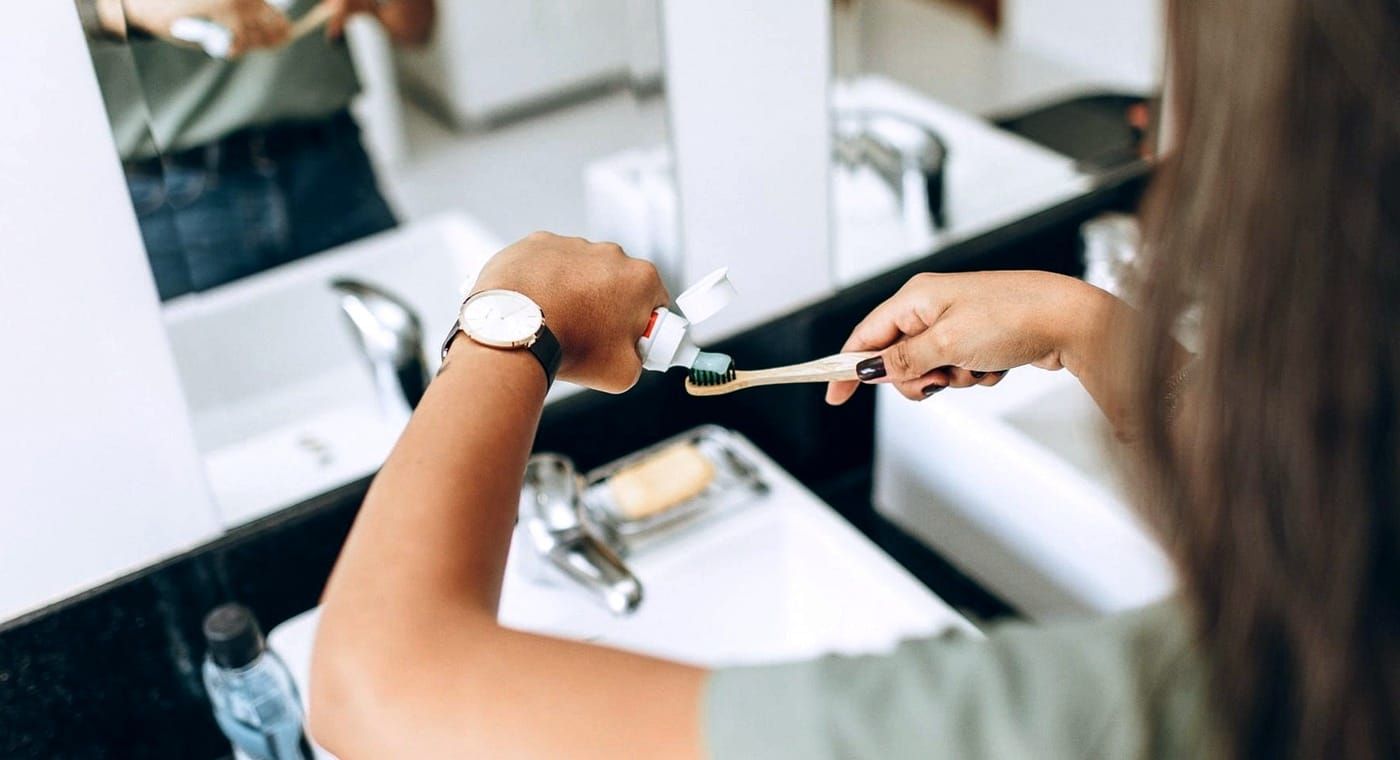
Amount matters more for children than adults, because swallowing fluoride toothpaste regularly while teeth are developing can lead to faint white marks on adult teeth later, a cosmetic effect called fluorosis. The ADA sets amounts by age:
- Under three years old: a smear about the size of a grain of rice, from the time the first tooth appears.
- Three to six years old: a pea-sized amount.
- Older children and adults: a pea-sized amount is generally enough for a thorough brush.
Supervise brushing at the younger ages so your child spits out toothpaste rather than swallowing it, and keep toothpaste out of reach of young children between brushings. Check the box as well: some adult toothpastes, including the two examples below, carry directions for ages 12 and up.
Why does “spit, don’t rinse” matter?
After brushing, spit out the excess toothpaste but try not to rinse your mouth heavily with water straight afterward. A thorough rinse washes away the fluoride left behind on your teeth, cutting short the time it has to keep working on your enamel. Simply spitting, without swishing water around your mouth afterward, is a small habit change that lets fluoride stay in contact with your teeth for longer.
How to match toothpaste to your needs
- Start with fluoride as the non-negotiable baseline, then choose a flavor and texture you actually enjoy, since that determines whether you brush for the full two minutes.
- Add a sensitivity formula if hot, cold or sweet foods regularly bother several teeth, and give it a couple of weeks before judging it.
- Add whitening only for surface stains, and avoid using a highly abrasive formula daily if your teeth are already sensitive.
- Check the label on charcoal or natural toothpastes for fluoride if you still want that protection alongside the format you prefer.
- Use age-appropriate amounts for children, and supervise brushing until they reliably spit rather than swallow.
Two toothpastes that show the difference
These two widely sold toothpastes illustrate the two routes to sensitivity relief covered above: stannous fluoride, and potassium nitrate with sodium fluoride. Both contain fluoride. The facts come from Colgate’s US product page and Sensodyne’s US Drug Facts label; DecodeGlow has not tested them.
Stannous fluoride, everyday use
Colgate Total Active Prevention Clean Mint Toothpaste
Colgate Total uses stannous fluoride 0.454% as its single active ingredient, and Colgate lists sensitivity, gingivitis and plaque among its benefits alongside cavity protection. It is a sensible everyday choice for adults who want one toothpaste to cover the basics, and Colgate says it has earned the ADA Seal of Acceptance. Colgate designs it for ages 12 and up.
- Format
- Paste
- Key ingredients
- Stannous fluoride 0.454% (0.15% w/v fluoride ion)
- Standout feature
- Everyday stannous fluoride toothpaste that Colgate says carries the ADA Seal of Acceptance
What the brand states
- Active ingredient
- Stannous fluoride 0.454% (0.15% w/v fluoride ion)
- ADA Seal
- Colgate says the product has earned the American Dental Association Seal of Acceptance
- Ages
- Designed for adults and children 12 years and older
- Brand claim
- 24 hours of antibacterial protection when brushing twice daily with four weeks of continued use
- Flavor
- Peppermint with warm spice notes
Source: Colgate's page (colgate.com) , read .
Who it may suit
- Adults who want one fluoride toothpaste that also targets plaque and gums
- People who prefer a strong mint flavor
- Anyone who wants a product with the ADA Seal of Acceptance
Keep in mind
- Colgate designs it for adults and children 12 and older; younger children need an age-appropriate toothpaste and amount
- It is a mint paste with warm spice notes, which not everyone enjoys
May want something else: Children under 12.
Based on brand-published product information, last checked November 28, 2026.
Potassium nitrate, for sensitive teeth
Sensodyne Extra Whitening Toothpaste
Sensodyne Extra Whitening pairs 5% potassium nitrate, which works on the nerve response over time, with sodium fluoride for cavity protection. It suits several teeth that twinge with cold or sweets, and it adds surface-stain removal for people who want both in one tube. Give it a few weeks of twice-daily use, and follow the label: if sensitivity persists after four weeks, see a dentist.
- Format
- Paste
- Key ingredients
- Potassium nitrate 5%, Sodium fluoride 0.24% (0.15% w/v fluoride ion)
- Standout feature
- Potassium nitrate toothpaste for sensitive teeth that also contains fluoride and targets surface stains
What the brand states
- Active ingredients
- Potassium nitrate 5% (antihypersensitivity); sodium fluoride 0.24%, 0.15% w/v fluoride ion (anticavity)
- Directions
- Adults and children 12 and older: brush thoroughly for at least 1 minute twice a day; under 12, ask a dentist or doctor
- Warning
- Stop use and ask a dentist if the problem persists or worsens, or if pain or sensitivity still persists after 4 weeks of use
Source: Sensodyne's page (haleon.info) , read .
- Brand claims
- Helps remove stains for a whiter smile; contains fluoride; free of sodium lauryl sulfate
Source: Sensodyne's page (sensodyne.com) , read .
Who it may suit
- Several teeth that twinge with cold, heat, sweets or acidic food
- People who want sensitivity care and a stain-removing toothpaste in one tube
- Anyone who finds SLS-containing toothpastes irritating
Keep in mind
- Potassium nitrate builds up protection over time, so judge it after a few weeks of twice-daily use
- The label says to stop and ask a dentist if sensitivity persists after four weeks or gets worse
- Whitening here means surface stains; it does not change the natural color of teeth
May want something else: Pain in one specific tooth, which needs a dentist rather than a toothpaste change; Children under 12 unless a dentist or doctor advises it.
Based on brand-published product information, last checked November 28, 2026.
Common mistakes when choosing toothpaste
- Choosing by flavor or packaging alone without checking for fluoride.
- Using a highly abrasive whitening toothpaste daily despite already having sensitive teeth.
- Assuming charcoal toothpaste is automatically better for whitening or gum health without checking what evidence actually supports.
- Letting a young child use an adult-sized amount of toothpaste at every brushing.
- Rinsing thoroughly with water right after brushing, which washes away the fluoride you just applied.
When to see a dentist
A change in toothpaste will not fix pain in a single tooth, sudden or severe sensitivity, bleeding or swollen gums, or a mouth sore that has not healed within two weeks. These need a dentist’s assessment rather than a different tube of toothpaste. Regular checkups also catch problems that no toothpaste, however well chosen, can prevent on its own.
Toothpaste is one half of a daily routine, and the brush you pair it with matters too: see our comparison of electric vs manual toothbrushes and our guide to choosing an electric toothbrush. For more, browse our oral care guides.
Frequently asked questions
- Is charcoal toothpaste safe to use every day?
- Some charcoal toothpastes are more abrasive than standard formulas, which can wear enamel with daily use over time, and many do not contain fluoride. If you like a charcoal toothpaste, check the ingredient list for fluoride and consider using it alongside, rather than instead of, a fluoride toothpaste.
- What is the real difference between whitening toothpaste and regular toothpaste?
- Whitening toothpastes typically add mild abrasives, chemical agents, or both, aimed at surface stains from things like coffee, tea or tobacco. They do not change the natural color of your teeth. Regular fluoride toothpaste without whitening claims still cleans effectively; whitening is an add-on, not a replacement for it.
- What does the ADA Seal on a toothpaste mean?
- A toothpaste earns the ADA Seal of Acceptance when its maker submits data to the ADA's Council on Scientific Affairs showing it is safe and effective. Every Seal-accepted toothpaste with a cavity-protection claim must contain fluoride, and the ADA caps the abrasivity (RDA) of Seal-accepted toothpastes at 250. The Seal is voluntary, so a toothpaste without it is not automatically ineffective.
- How much toothpaste should I give my child?
- The ADA suggests a smear about the size of a grain of rice for children under three, then a pea-sized amount from three to six years old. Supervise brushing at these ages so your child spits out toothpaste rather than swallowing it.
- Is fluoride-free toothpaste a safe choice for adults?
- Dental organizations recommend fluoride toothpaste because of its strong record in preventing cavities, so choosing a fluoride-free option means giving up that protection. Some adults choose fluoride-free toothpaste as a personal preference; if you are prone to cavities, it is worth discussing the trade-off with a dentist first.
- Does toothpaste flavor or foaming affect how well it cleans?
- No. Flavor and foam come from ingredients added for taste and sensation, not from the ingredients that actually protect teeth. A toothpaste you enjoy using is still valuable, though, since you are more likely to brush for the full two minutes with one you like.
Sources
- Toothpastes , American Dental Association
- Toothpaste , MouthHealthy, American Dental Association
- Fluoride: Topical and Systemic Supplements , American Dental Association