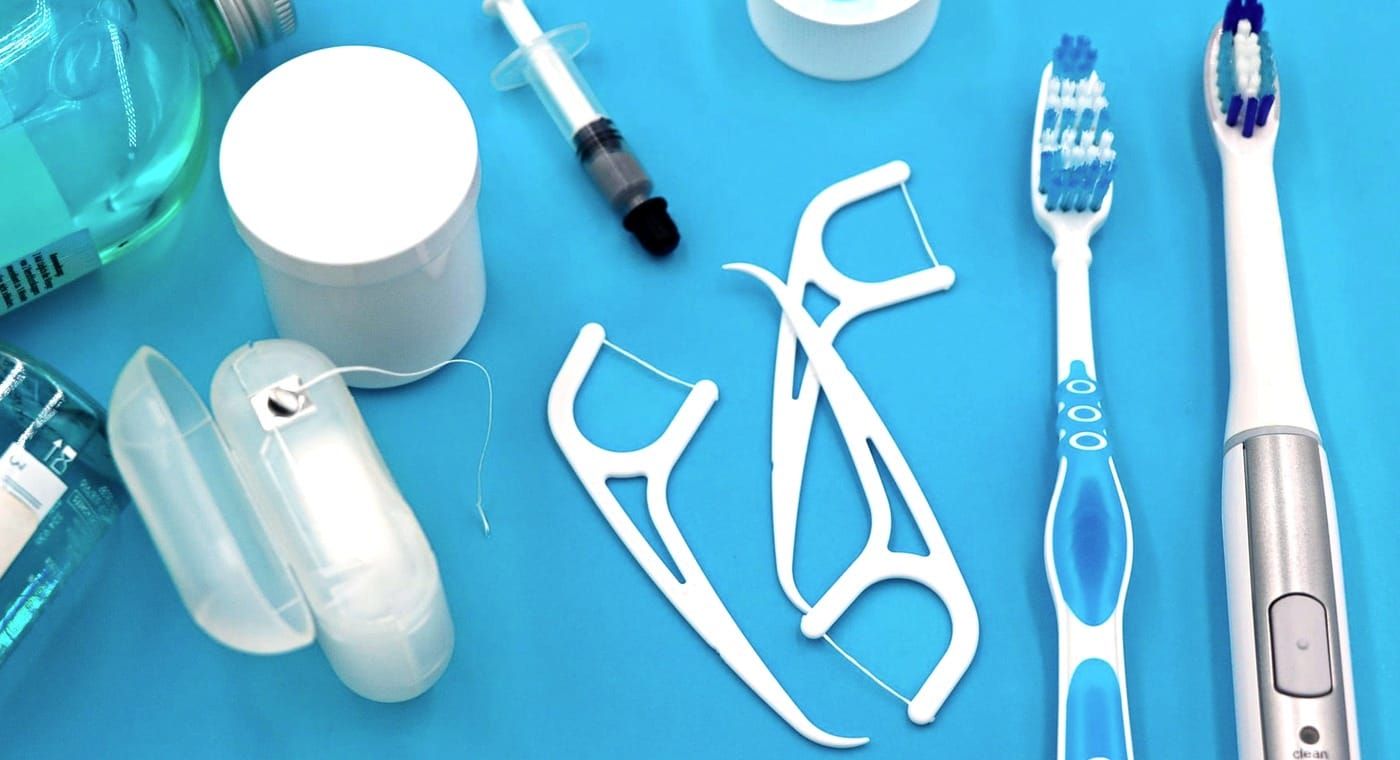
Comparison Oral Care Electric Toothbrushes
Electric vs Manual Toothbrush: Which One Should You Use?
The short answer
Reviews of the evidence show that powered toothbrushes remove somewhat more plaque and reduce gum inflammation slightly more than manual brushing on average, with the strongest evidence behind oscillating-rotating models. The gap is modest, and technique matters more than the brush: two minutes, twice a day, with fluoride toothpaste and soft bristles, is what actually protects your teeth and gums. A powered brush tends to help most if you brush too hard, wear braces, have limited hand dexterity, or find it easier to keep going with a timer.
Key takeaways
- Reviews of the evidence favor powered brushes by a modest margin, with the most evidence behind oscillating-rotating types.
- Technique, timing and fluoride toothpaste matter more than which brush you choose.
- Powered brushes tend to help most with braces, limited dexterity or heavy-handed brushing.
- Replace brush heads and manual brushes on the same three-to-four-month schedule.
- Check what replacement heads cost, and how easy they are to find, before buying a less common model.
On this page
An electric toothbrush is not a shortcut to clean teeth, and a manual toothbrush is not a worse one. Reviews of the evidence give powered brushes a modest edge on average, but the bigger factor by far is whether you actually brush for two full minutes, twice a day, with fluoride toothpaste. Here is how the two options really compare.
Choose an electric toothbrush if…
- You tend to brush too fast or too hard
- You wear braces or have limited hand dexterity
- A built-in timer would help you brush for the full two minutes
Choose a manual toothbrush if…
- You already brush well for two minutes without reminders
- You want the lowest running cost with no charging
- You travel often and would rather not pack a charger
Side-by-side comparison
| Feature | Electric toothbrush | Manual toothbrush |
|---|---|---|
| Product type | Rechargeable or battery-powered brush: oscillating-rotating, sonic or another vibrating design | Standard hand-operated brush |
| Cleaning motion | Motor-driven; you guide it, the head does the moving | Fully controlled by your own hand and wrist |
| What reviews generally find | Modestly less plaque and gum inflammation on average, with the most evidence for oscillating-rotating designs | Effective when used with good technique for the full two minutes |
| Helps with technique | Timers and pacing features encourage longer, steadier brushing | Depends entirely on personal habit and self-timing |
| Running cost | Replacement heads every three to four months, plus charging | A new brush every three to four months; no charging needed |
| Travel | Needs charging or batteries; check the charger voltage before trips abroad | No power required; the simplest option for travel |
| Main limitation | Higher upfront cost, and heads for less common models can be harder to find | Easy to brush too fast, too lightly or for too short a time |
What reviews of the evidence actually found
A Cochrane review that pooled 56 trials found that, on average, powered brushes reduced plaque by 11% after one to three months of use and by 21% after more than three months, compared with manual brushes. Gum inflammation (gingivitis) fell by 6% and 11% over the same periods. The review rated this evidence as moderate quality, and the largest body of evidence was for oscillating-rotating brushes, which showed statistically significant reductions at both time points.
The American Dental Association takes a practical position: both manual and powered toothbrushes are effective at removing plaque, and the ADA suggests looking for its Seal of Acceptance, which a manual or powered brush earns when its maker provides scientific evidence of safety and effectiveness. Few trials in the Cochrane review reported side effects, and those that did described them as localized and temporary.
None of this means a manual brush is second-best. It means the type of brush explains only part of the difference in outcomes between people; the rest comes down to habits.
Technique still matters more than the toothbrush
Two minutes, twice a day, is the baseline that the ADA and general dental guidance keep returning to, and many people fall short of it with either kind of brush. A few habits matter regardless of what you are holding:
- Cover every surface. Outer, inner and chewing surfaces, plus the gum line, need attention, not just the parts you can see in a mirror.
- Use fluoride toothpaste. Our toothpaste guide covers what to look for and how much to use.
- Keep pressure light. Scrubbing harder does not clean better, and it can wear down gums and enamel over time on either brush type.
- Do not skip interdental cleaning. Floss or interdental brushes reach the surfaces between teeth that no toothbrush touches.
A manual brush used well for the full two minutes will clean better than an electric brush rushed through in thirty seconds.
Who benefits most from a powered brush
Some situations tip the balance more clearly toward electric:
- Braces and other orthodontic work. The ADA notes that people with appliances such as braces may find a powered brush easier to use.
- Limited hand dexterity or grip strength, including some older adults and people with arthritis or disabilities, since the brush does most of the movement.
- Heavy-handed brushers, where a pressure sensor gives a clear signal to ease off.
- Anyone who finds brushing tedious, since a built-in timer and quadrant pacing make it easier to actually reach two minutes rather than guessing.
None of this replaces supervision for young children or a dentist’s advice for a specific orthodontic or dental condition.
Running costs and brush heads
An electric brush shifts the ongoing cost from buying a new toothbrush to buying replacement heads, and both follow the same three-to-four-month replacement schedule. Before choosing a less common brand, check how easily its replacement heads are stocked at drugstores and online, since supply for niche or imported models can be patchy. Mainstream oscillating-rotating and sonic ranges, such as Oral-B and Philips Sonicare, are generally easier to keep stocked with heads than obscure ones.
Bristle softness and replacement
Soft bristles are the right choice for almost everyone, on a manual brush or an electric head. The ADA recommends soft bristles because they minimize the risk of wearing away gum tissue; medium and hard bristles do not clean better. Whichever type you use, replace it, or the head, every three to four months, or sooner if the bristles look matted or frayed, and let it air-dry upright rather than in a closed container.
Travel and charging
A manual brush needs nothing but a cap or case, which makes it the simplest option for travel. An electric brush needs either charging or batteries: check the battery life against your trip length and whether it charges from a stand or a USB cable. Chargers sold for the US run on standard 120-volt outlets; before a trip abroad, check the voltage range printed on the charger or in the manual, since a plug adapter changes the plug shape but not the voltage. Simple battery-powered brushes that take AA cells sidestep the charging question entirely, at the cost of a gentler motor than a rechargeable model.
Which one suits you?
You already brush well and travel often: a manual brush is genuinely enough, and it is one less thing to charge.
You have braces or orthodontic appliances: an electric brush, alongside interdental cleaning, is usually easier to manage well.
You have limited hand strength or dexterity: a powered brush with a wide, easy-to-grip handle does more of the work for you.
You are on a tight budget: a manual brush with soft bristles, replaced on schedule, cleans teeth effectively and costs less over time.
You tend to rush or brush hard: the timer and pressure sensor on an electric brush can correct both habits.
Buying considerations
- Look for a two-minute timer at minimum, and treat quadrant pacing and a pressure sensor as useful extras rather than essentials.
- Check brush-head price and availability for the specific model before you commit to a brand.
- Look for the ADA Seal if you want a quick sign that a manual or powered brush has been evaluated for safety and effectiveness.
- Choose soft bristles either way, and set a reminder to replace the brush or head on schedule.
Two entry-level electric brushes to consider
If you have decided to go electric, you do not need a premium model. These two entry-level brushes, one of each main type, have the features that matter most: a two-minute timer, 30-second pacing and a pressure sensor. The details below come from each brand’s own US product pages; DecodeGlow has not tested them.
Oscillating-rotating, entry level
Oral-B Pro 1000 Rechargeable Electric Toothbrush
The Pro 1000 covers the basics this comparison keeps returning to: Oral-B lists a two-minute timer that pulses every 30 seconds and a pressure sensor that alerts you when you press too hard. It uses the small, round oscillating-rotating head, the design with the largest body of evidence in the Cochrane review, and Oral-B says the line carries the ADA Seal of Acceptance. Check which version a listing is selling, since the number of modes and the heads in the box vary.
- Format
- Rechargeable handle with a round brush head and charger
- Standout feature
- Entry-level oscillating-rotating brush with a two-minute timer, a 30-second pacer and a pressure sensor
What the brand states
- Timer
- Built-in two-minute timer; the in-handle timer pulses every 30 seconds to signal a switch to the next area of the mouth
- Pressure sensor
- Alerts you if you are brushing too hard
- Brush heads
- Compatible with Oral-B heads such as CrossAction, FlossAction, Precision Clean, 3D White and Sensitive Gum Care; not with iO heads
- Warranty
- 2 years from the day of purchase
Source: Oral-B's page (oralb.com) , read .
- ADA Seal
- Oral-B says its oscillating-rotating-pulsating brushes, including the Pro 1000, have received the ADA Seal of Acceptance
Source: Oral-B's page (oralb.com) , read .
Who it may suit
- Anyone moving from a manual brush who wants a timer and pressure alert without paying for extras
- People who prefer the focused, tooth-by-tooth feel of a small round head
- Households that want widely stocked replacement heads
Keep in mind
- Oral-B sells several Pro 1000 versions, such as a Gum Care edition with a single mode, so check the mode count and the heads in the box on the listing
- It does not take Oral-B iO brush heads
- Replacement heads are an ongoing cost every three to four months
May want something else: People who want app tracking or a travel charging case.
Based on brand-published product information, last checked November 28, 2026.
Sonic, entry level
Philips Sonicare 4100 Series Sonic Electric Toothbrush
If a small round head feels too busy, the Sonicare 4100 is the sonic alternative at the same basic level. Philips lists a two-minute SmarTimer with a 30-second QuadPacer, a pressure sensor, two intensities and a battery it rates at 14 days. Its wider head and steady vibration feel closer to a manual brush, which some people find easier to get used to.
- Format
- Rechargeable handle with a click-on brush head and charger
- Standout feature
- Entry-level sonic brush with a two-minute timer, 30-second pacing, a pressure sensor and two intensities
What the brand states
- Timer
- Two-minute SmarTimer and 30-second QuadPacer
- Pressure sensor
- Alerts you when you brush too hard
- Intensities
- Two: high and low
- Battery
- Lithium-ion; 14 days of use per charge (Philips' rating)
- In the box
- One 4100 Series handle, one C2 Optimal Plaque Control brush head, one charger
- Other features
- BrushSync replacement reminder that tells you when to change the brush head
- Warranty
- 2-year limited warranty
Source: Philips Sonicare's page (usa.philips.com) , read .
Who it may suit
- People who prefer the wider head and steady hum of a sonic brush
- Anyone who wants a gentler low-intensity setting
- Travelers who like a battery rated for about two weeks
Keep in mind
- Sonic heads are not interchangeable with oscillating-rotating heads from other brands
- Replacement heads are an ongoing cost every three to four months
- Several color versions are sold under different HX3681 suffixes, so match the model when buying heads or support parts
May want something else: People who want app tracking or multiple cleaning modes.
Based on brand-published product information, last checked November 28, 2026.
Whichever you choose, the toothbrush is only one part of a daily routine that also depends on your toothpaste and technique. See our guide to choosing an electric toothbrush for the features worth paying for, or our guide to choosing toothpaste for the other half of the routine. For more, browse our electric toothbrush guides.
Frequently asked questions
- Do I need to change my brushing technique with an electric toothbrush?
- Mostly no. Let the brush head do the moving: rest it lightly against each tooth and the gum line for a few seconds and guide it slowly around your mouth, rather than scrubbing back and forth as you would with a manual brush. Pressing hard defeats the point of a powered brush and can still irritate your gums.
- Are electric toothbrushes better for people with braces?
- The ADA notes that people with braces may find a powered toothbrush easier to use, and some brush heads are shaped for cleaning around brackets. A good orthodontic routine also needs interdental brushes or floss threaders, since no toothbrush alone clears the space under a wire.
- Can children use an electric toothbrush?
- Yes, with supervision, and many kids find a timer motivating. Choose a brush sized for a child's mouth, use an age-appropriate amount of fluoride toothpaste, and keep supervising until a child can reliably brush well alone, usually around age seven or eight.
- Is a basic electric toothbrush still worth it, or do I need a premium model?
- A basic model with a two-minute timer and a soft brush head covers the features that make the biggest difference. Extra modes, app connectivity and travel cases are conveniences, not requirements, and a simple model used correctly will outperform an expensive one used carelessly.
- Does the ADA approve electric toothbrushes?
- The ADA awards its Seal of Acceptance to manual and powered toothbrushes whose makers provide scientific evidence of safety and effectiveness. The Seal is a quick way to see that a brush has been evaluated; a brush without it is not automatically a poor one, since makers have to apply for the Seal.
- Does the type of toothpaste matter more with an electric toothbrush?
- No. Any fluoride toothpaste works with any manual or electric brush. A pea-sized amount is enough for adults, and too much foam can make it harder to keep brushing for the full two minutes.
Sources
- Toothbrushes , American Dental Association
- Powered/electric toothbrushes compared to manual toothbrushes for maintaining oral health , Cochrane
- Electric Toothbrushes vs. Regular Toothbrushes , MouthHealthy, American Dental Association
Corrections
-
This guide said a Cochrane review found most powered brushes performed about the same as manual ones, with only oscillating-rotating brushes showing roughly a tenth less plaque after three months. The review's own summary reports 11% less plaque at one to three months and 21% after three months for powered brushes overall, with the most evidence for oscillating-rotating designs. The section now says so.
How we fix mistakes: corrections policy.